
14 Days in Hell: The Haunting True Story of the 1985 Mount Slamet Tragedy
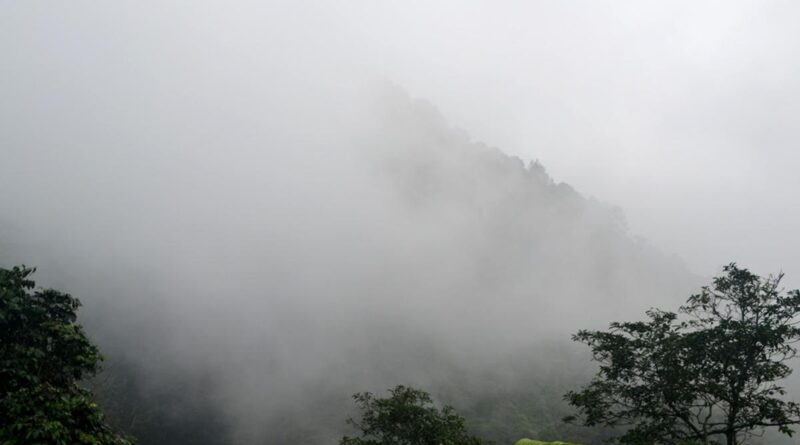
The harrowing Mount Slamet Tragedy of 1985 marks a dark chapter in Indonesian mountaineering history. Mount Slamet, known as the “Roof of Central Java,” is a majestic, sleeping volcano standing at 3,428 meters. But beyond its beauty lies a haunting memory. It remains one of the most heartbreaking events in Indonesian mountaineering history. Learn more about Mount Slamet on Wikipedia
The year was 1985. It was an era before GPS, before mobile phones, and before modern ultralight gear. Hiking was not a hobby; it was a raw test of endurance. In January of that year, three university students—Alex (Puji), Iqbal, and Gagah—set out to conquer the summit. They did not know that they were walking into a 14-day nightmare that would leave two of them dead and the survivor haunted forever. [INTERNAL_LINK:Mountaineering in Indonesia]
This is their true story, retold from the harrowing testimony of the sole survivor, Alex.
The 1985 Mount Slamet Tragedy: A Descent into Hell
The Forbidden Climb: Avoiding the “Sospol”
To understand the context of the Mount Slamet Tragedy, we must look at Indonesia in the 1980s. Under the New Order regime, climbing a mountain wasn’t as simple as packing a bag. Hikers required a “Sospol” (Social-Political) permit—a clearance document that was notoriously difficult to obtain for students to ensure they weren’t holding subversive political meetings in the jungle. [INTERNAL_LINK:History of Indonesian Mountaineering]
Alex and his friends didn’t have the permit. They were “illegal hikers.” Avoiding the official checkpoints and the military, they chose to climb via the Bambangan village route. They stayed at a local resident’s house instead of the official basecamp to avoid questioning. This decision would ultimately contribute to the tragedy of Mount Slamet.
The group dynamic was clear but fragile:
- Alex: The leader, determined but carrying the burden of navigation.
- Iqbal: The strongest physically, a Scout instructor, but visually impaired with severe myopia (thick glasses).
- Gagah: The weakest link physically, suffering from illness even before the hike began, but possessing an iron will.

Navigating the Perils: Contributing Factors to the Mount Slamet Tragedy
The climb began smoothly, but the mountain soon revealed its unforgiving nature. The dense jungle, treacherous terrain, and unpredictable weather quickly took their toll. Iqbal’s poor eyesight made navigation difficult, and Gagah’s pre-existing illness worsened. The lack of proper equipment and the absence of a Sospol permit added to their mounting problems.
As days turned into nights, the group’s morale plummeted. Food supplies dwindled, and the relentless rain and cold seeped into their bones. Alex, burdened by the responsibility of leadership, struggled to keep his friends motivated. He knew that their survival depended on reaching the summit and descending safely, but the mountain seemed determined to break them. The Mount Slamet Tragedy was unfolding.
The breaking point came on the fifth day. A sudden storm engulfed the mountain, trapping the climbers in a blizzard. Disoriented and exhausted, they lost their way. The temperature plummeted below freezing, and hypothermia began to set in. It was during this storm that Gagah succumbed to his illness and died. National Geographic: Blizzard Survival Tips
Alex and Iqbal, devastated by the loss of their friend, pressed on. They knew that they had to reach help before it was too late. But the mountain continued to test them. On the seventh day, Iqbal, weakened by exhaustion and hunger, fell into a ravine. He sustained severe injuries and was unable to move. Alex, faced with an impossible decision, made the agonizing choice to leave Iqbal and seek help. [INTERNAL_LINK:Ethical Dilemmas in Mountaineering]
Alex spent the next seven days battling the elements, desperately trying to find his way back to civilization. He endured starvation, dehydration, and hallucinations. He saw things that he couldn’t explain, heard voices that weren’t there. He was on the brink of giving up when he finally stumbled upon a logging trail. He was rescued by local villagers and taken to a hospital. Sadly, Iqbal did not survive. The Mount Slamet Tragedy had claimed two lives.
The aftermath of the Mount Slamet Tragedy was filled with grief, anger, and recrimination. Alex was haunted by the memory of his friends and the choices he had made. He struggled to come to terms with the fact that he had survived while they had perished. The incident raised serious questions about the safety of mountaineering in Indonesia and the need for stricter regulations. The International Climbing and Mountaineering Federation (UIAA)
The 1985 Mount Slamet Tragedy serves as a cautionary tale for all who venture into the mountains. It is a reminder that nature is a powerful force and that even the most experienced climbers can be vulnerable. It is a testament to the resilience of the human spirit and the enduring power of friendship.