
Why Your Wallet Will Be Empty in 2026 (The Rise of CBDCs and “Programmable Money”)
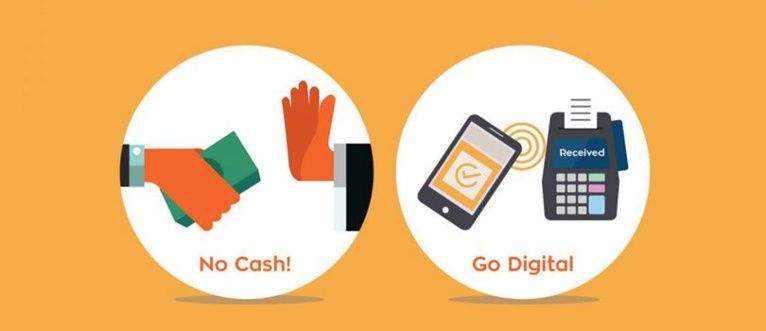
When was the last time you paid for something with physical coins? If you are under the age of 30, you probably can’t remember. You tap your phone for coffee. You scan a QR code for lunch. You transfer rent via an app. Physical cash—dirty, germ-filled, anonymous paper—is rapidly becoming a relic of the past, destined for museums alongside the floppy disk and the rotary phone.
But the world isn’t just sprinting towards a “Cashless Society” for convenience. We are sprinting towards something far more complex and controversial: Central Bank Digital Currencies (CBDCs). Governments are realizing that whoever controls the ledger controls the world. The era of private money is ending; the era of “Surveillance Money” has begun.
The Swedish Experiment: A Glimpse of the Future If you want to see where the world is going, look at Sweden. Scandinavian countries are leading the charge. In Stockholm, “No Cash” signs are as common as “No Smoking” signs. You cannot buy a bus ticket with cash. You cannot buy a cinnamon bun with cash. Even some churches have stopped passing the collection plate, replacing it with a digital terminal for donations.
For the average citizen, this is a paradise of efficiency. No more fumbling for change. No more ATMs eating your card. Robberies have plummeted because there is no physical money to steal. But for the elderly and the “unbanked,” it is a nightmare of exclusion. If the battery on your phone dies, you are effectively bankrupt until you find a charger.
Enter the CBDC: It’s Not Just “Apple Pay” Here is the critical distinction that most people miss. Using a credit card or Apple Pay is Commercial Bank Money. It is digital, but it is managed by private banks (Chase, HSBC, etc.). A CBDC (Central Bank Digital Currency) is different. It is a digital token issued directly by the Government (The Federal Reserve, The ECB, The People’s Bank of China).
Why does this matter? Because with a CBDC, the government cuts out the middleman. They have a direct digital line to your wallet.
- China: The Digital Yuan (e-CNY) is already being used by millions.
- USA: The “Digital Dollar” is in active research (Project Hamilton).
- Europe: The Digital Euro is preparing for launch.
The “Programmable Money” Nightmare The benefits are obvious: instant tax refunds, no money laundering, and stopping terrorist financing. But privacy advocates are screaming about the downside: Programmable Money.
Unlike a $20 bill, which you can spend on anything anywhere, a CBDC is code. And code can be programmed.
- Scenario A (Expiration): During a recession, the government could issue a “Stimulus Coin” that expires in 30 days if you don’t spend it, forcing you to stimulate the economy.
- Scenario B (Restrictions): Imagine trying to buy a steak, but the transaction is declined because your “Carbon Footprint Quota” for the month has been reached.
- Scenario C (The Kill Switch): If you are deemed a political dissident, your wallet could be frozen instantly with a single keystroke.
This isn’t science fiction. In 2022, we saw Canadian truckers have their bank accounts frozen for protesting. With CBDCs, that process becomes automated and absolute.
CBDC vs. Crypto: The War for Control Many people confuse CBDCs with Cryptocurrency like Bitcoin. They are opposites.
- Bitcoin is decentralized, permissionless, and resistant to censorship. It represents Freedom.
- CBDCs are centralized, permissioned, and totally surveillance-based. They represent Control.
Governments hate crypto because they cannot control it. Their solution is to launch their own competitor (CBDC) and likely regulate the decentralized alternatives into oblivion. The financial war of 2026 will not be “Dollar vs. Euro,” but “State Money vs. Free Money.”