
The 3-Second Clone: How AI Stole My Voice (and My Bank Account) in Just One Phone Call
It started with a simple phone call. “Hi Grandma, it’s me. I’m in trouble. I got into an accident, and the police won’t let me go unless I pay a fine right now. Please help.” The threat of AI voice cloning is real
The voice was undeniable. It was her grandson, Michael. It had his inflection, his slight stutter when he was nervous, even the background noise sounded like a busy highway. Panic set in. She rushed to the bank, withdrew $5,000, and transferred it to the account “Michael” texted her.
Four hours later, the real Michael walked through her front door for dinner, completely unharmed. He had been at the movies, phone off. She hadn’t spoken to her grandson. She had spoken to a Ghost.
Welcome to the year 2026, where your voice is no longer your own. The threat of AI voice cloning is real, and it’s here.
The Rise of “Vishing”: It Only Takes 3 Seconds
We spent the last decade worrying about “Deepfake Videos.” We were looking the wrong way. While we were analyzing pixelated videos of Tom Cruise, hackers were perfecting something far more dangerous and easier to deploy: AI Voice Cloning.
In the past, cloning a voice required hours of studio recording. Today, thanks to models like Microsoft’s VALL-E and ElevenLabs (which are amazing tools in the right hands, but weapons in the wrong ones), a scammer needs just three seconds of audio to clone you.
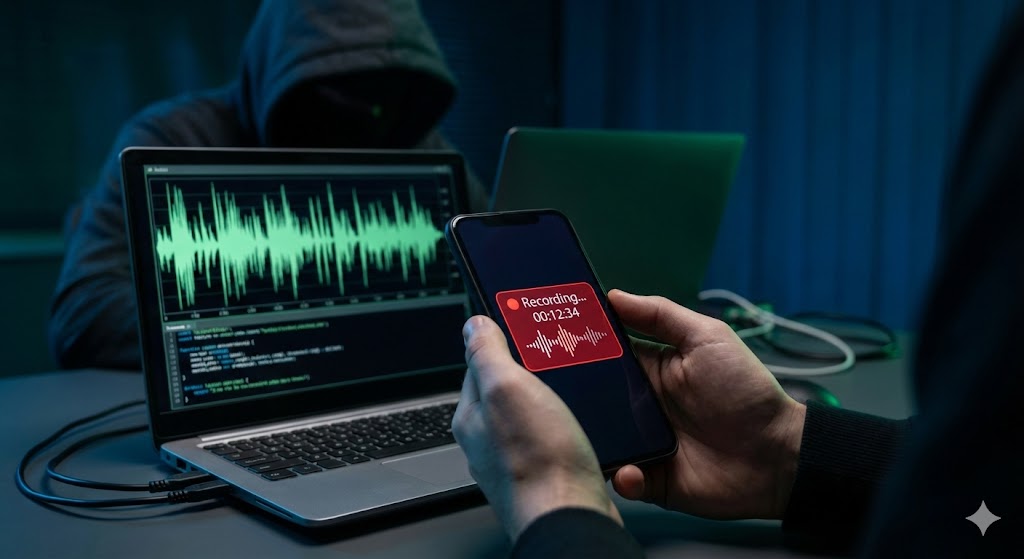
How Did They Get Your Voice?
You might think, “I’m not a celebrity. Why would they clone me?” You are easier to target than a celebrity.
- The “Can You Hear Me?” Scam: A spam number calls you. You pick up. They say nothing. You say, “Hello? Hello?” They hang up. That’s it. They have your “Hello.”
- TikTok & Instagram Stories: Do you post videos talking to the camera? That is a high-quality dataset for AI training.
- Voicemail Greetings: Your automated answering machine message is a free gift to scammers.
The Psychology of the Scam: Why Smart People Fall for It
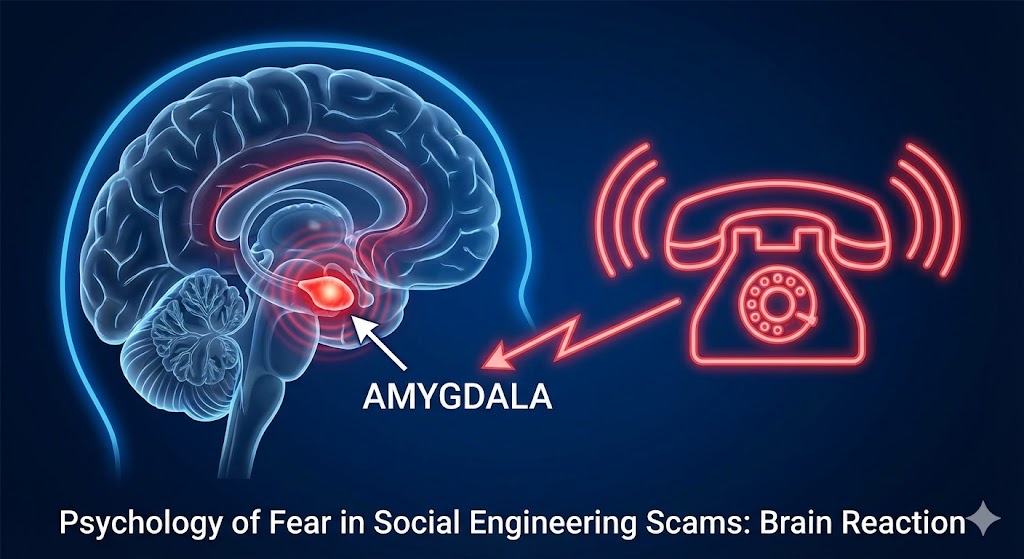
Cybersecurity isn’t just about code; it’s about psychology. These AI scams work because they bypass your logical brain and hit your Amygdala—the fear center.
When a mother hears her daughter crying, “Mom, please help me!”, her brain shuts down critical thinking. Adrenaline floods the system. The scammer creates false urgency: “You have 10 minutes to pay, or he goes to jail.”
The “Spoofing” Multiplier
To make matters worse, hackers use Caller ID Spoofing. Your phone screen actually says “Michael” or “Mom” is calling. They hack the signaling protocol to mask their real number with a familiar one. When the Voice matches and the Caller ID matches, 99% of victims comply instantly.
The New Defense: How to “Go Dark”
Antivirus cannot stop this. A VPN cannot stop this. Because the “hack” is happening to you, not your computer. So, how do you survive in an era where you can’t trust your own ears? You need a “Safe Word.”
1. The Family Password Protocol
This is old-school spycraft, but it is the ONLY 100% effective defense in 2026. Sit down with your family tonight. Agree on a specific word or phrase. It should be random.
- Example: “Purple Elephant” or “Tokyo 1999”.
- The Rule: If anyone calls claiming to be in an emergency—kidnapped, arrested, hospitalized—ask them: “What is the Safe Word?”
- An AI cannot know the safe word. A real family member will.
2. The “Call Back” Rule
If your “brother” calls from an unknown number (or even his own number) asking for money, hang up immediately. Then, call his number back yourself.
- If the line was spoofed, your call will go to the real brother.
- If he answers and says, “What? I didn’t call you,” you know you just dodged a bullet.
3. Lockdown Your Socials
Review your privacy settings. If your Instagram is public and you have “Highlights” of you talking, you are a walking target. Consider limiting voice-heavy content to “Close Friends” only.
Conclusion: Trust Nothing, Verify Everything
The technology is not going backward. AI voice synthesis will become indistinguishable from reality within the next 6 months. We are entering a “Zero Trust” society. This is especially relevant as we navigate the potential chaos economy in the coming years.
It sounds paranoid, but paranoia is just another word for survival. The next time your phone rings and a familiar voice asks for help, take a breath. Ask for the password. Because in 2026, seeing is no longer believing, and hearing… is deceiving. Remember to stay vigilant in protecting your digital privacy.