
How Science is Bringing the Woolly Mammoth Back from the Dead (And Why It Might Save the Planet)
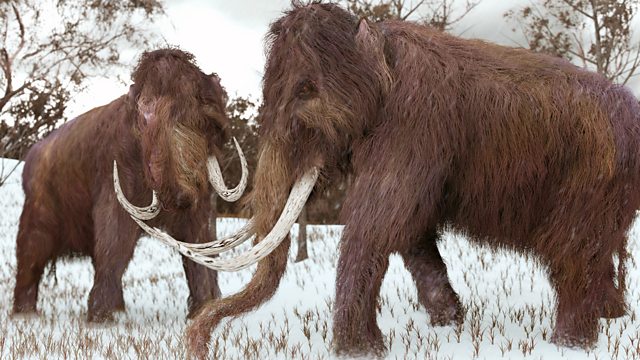
(Intro) It sounds like the plot of a Hollywood blockbuster. A group of scientists, funded by a mix of heavyweights like the CIA (via In-Q-Tel), tech billionaires, and even Paris Hilton (yes, really), are working on a project to resurrect an extinct species. But this isn’t Jurassic Park. There is no mosquito trapped in amber. This is happening right now in laboratories in Dallas and Boston.
The company is called Colossal Biosciences, and their target is the undisputed king of the Ice Age: The Woolly Mammoth. For thousands of years, these giants have been lost to history, existing only as frozen carcasses in the Siberian permafrost. But if Colossal succeeds, the first Mammoth calf in 4,000 years could be born as early as 2027.
How It Works: It’s Not Cloning, It’s Editing The science behind “De-extinction” is misunderstood. We cannot simply clone a Mammoth because we don’t have a living cell. The DNA we find in frozen fossils is fragmented, like a book that has been put through a shredder.
So, scientists are using CRISPR (Gene Editing) technology. They start with the DNA of the Asian Elephant, which shares 99.6% of its genetic code with the Woolly Mammoth. Using CRISPR, they act like biological software engineers. They “Cut” the elephant genes and “Paste” the mammoth traits found in the fossil record.
- The Edits: They are inserting genes for small ears (to prevent frostbite), thick subcutaneous fat (insulation), and that iconic shaggy brown hair.
- The Result: The creature will technically be a “Mammonphant”—a cold-resistant Asian Elephant that looks and acts exactly like a Mammoth.
The “Why”: Geo-Engineering the Arctic Why spend millions to bring back a hairy elephant? Is it just for a cool zoo exhibit? No. The goal is strictly ecological. Colossal Biosciences argues that the Woolly Mammoth is a “Keystone Species” vital for fighting Climate Change.
To understand this, we have to look at the Arctic Permafrost. Beneath the snow lies billions of tons of methane (a greenhouse gas 80x more potent than CO2). When Mammoths roamed the tundra, they knocked down trees and trampled the snow. This compacted snow allowed the extreme Arctic cold to penetrate deeper into the ground, keeping the permafrost frozen. Without the Mammoths, the snow acts like a fluffy blanket, insulating the ground and allowing the permafrost to melt. By reintroducing herds of these heavy animals, scientists believe we can “refreeze” the Arctic and prevent a catastrophic methane bomb.
Pleistocene Park: The Testing Ground This theory is already being tested. In Siberia, Russian scientists Sergey and Nikita Zimov have created “Pleistocene Park.” They have introduced bison, horses, and reindeer to mimic the ancient ecosystem. The data shows that in areas with animals, the ground is significantly colder. Now, they are just waiting for the heavyweights—the Mammoths—to arrive and finish the job.
Beyond Mammoths: The Thylacine and The Dodo Colossal isn’t stopping at the Ice Age. They have also announced projects to de-extinct:
- The Thylacine (Tasmanian Tiger): A marsupial predator wiped out by humans in the 1930s. Its return could stabilize the ecosystem in Tasmania.
- The Dodo: The symbol of human-caused extinction. Bringing it back would be a symbolic victory for conservation.
The Ethical Debate: Are We Playing God? Naturally, this project has sparked a firestorm of ethical debate.
- Resource Allocation: Critics argue that the millions of dollars spent on bringing back dead animals should be spent on saving the elephants that are currently dying from poachers and habitat loss.
- Animal Welfare: Is it fair to bring a highly social, intelligent creature into a world it doesn’t recognize? A Mammoth belongs in the Ice Age; will it survive in our warming modern world?
- Unintended Consequences: History teaches us (and movies warn us) that introducing new species to an ecosystem often goes wrong. What if the Mammoths destroy the modern tundra instead of saving it?