
The Year Without a Summer: How an Indonesian Volcano Created Frankenstein, Vampires, and the Bicycle
In the summer of 1816, the world went dark. In New England, snow fell in June. In London, the sun was a pale, sickly disc that cast no shadow. Birds dropped dead from the sky mid-flight. Crops failed across Europe, leading to the worst famine of the 19th century. Riots broke out over bread, and apocalyptic cults declared that the End Times had arrived.
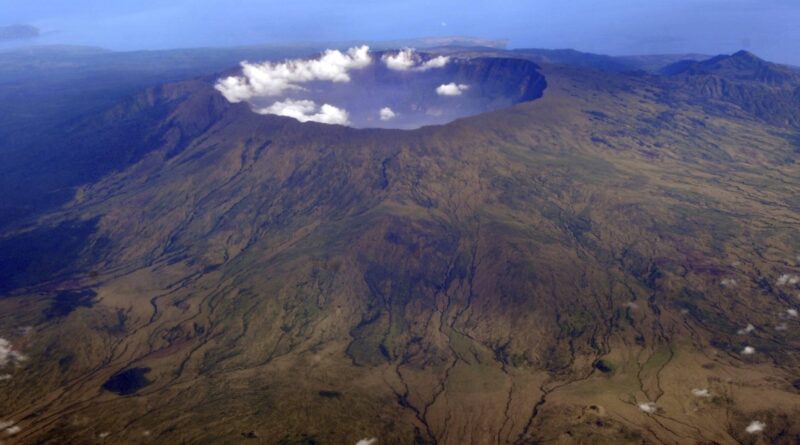
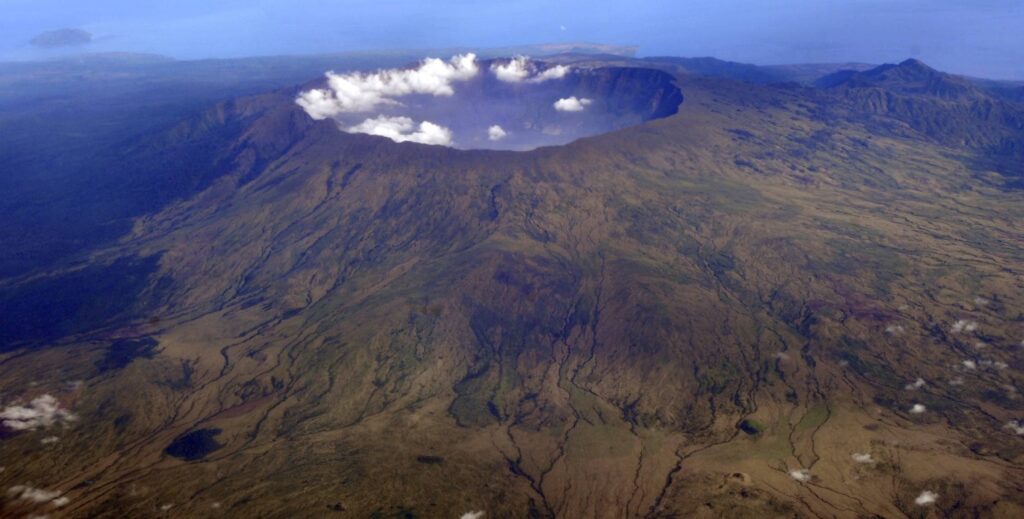
People in 1816 didn’t know it, but the cause of their misery lay thousands of miles away in the Dutch East Indies (modern-day Indonesia). One year earlier, in April 1815, Mount Tambora had exploded. It was the largest volcanic eruption in recorded human history—far bigger than Krakatoa or Vesuvius. It spewed enough ash and sulfur dioxide into the stratosphere to blanket the Earth and block out the sun.
But from this global tragedy, something unexpected was born. In the gloom of that freezing summer, modern Horror fiction took its first breath.
The Villa Diodati: A Gathering of Ghosts While peasants starved in the fields, a group of wealthy young British writers fled the gloom of England for a vacation in Switzerland, renting a villa on the shores of Lake Geneva. The group included the famous poet Lord Byron, his physician John Polidori, the poet Percy Shelley, and his 18-year-old lover, Mary Godwin (later Mary Shelley).
They expected sunny boating trips and picnics. Instead, they got incessant, freezing rain and terrifying thunderstorms caused by the volcanic climate change. Trapped indoors at the Villa Diodati, bored and depressed by the weather, Lord Byron proposed a contest: “We will each write a ghost story.”
The Birth of Frankenstein Young Mary Shelley struggled to come up with an idea. But the atmosphere of the “Year Without a Summer”—the lightning storms, the discussions about galvanism (using electricity to reanimate muscles), and the general mood of death—seeped into her subconscious.
One night, she had a “waking dream.” She saw a pale student of unhallowed arts kneeling beside the thing he had put together. She saw the hideous phantasm of a man stretch out, and then, on the working of some powerful engine, show signs of life. She woke up terrified and began to write. That story became “Frankenstein; or, The Modern Prometheus.” It wasn’t just a monster story; it was the world’s first Science Fiction novel. A warning about man playing God—a theme that resonates today with our debates about AI and gene editing (see our article on [Colossal Biosciences]).
The Birth of the Vampire Mary wasn’t the only one inspired. Lord Byron wrote a fragment about a vampire, but he got bored and abandoned it. His doctor, John Polidori, picked up the idea. He wrote a short story called “The Vampyre.” Unlike the ugly, ghastly vampires of folklore, Polidori’s vampire (Lord Ruthven) was aristocratic, charming, and seductive—modeled after Lord Byron himself.
This story invented the archetype of the “Gentleman Vampire.” Without Polidori’s 1816 story, Bram Stoker would never have written Dracula 80 years later. We wouldn’t have Twilight or Interview with the Vampire. Both icons of horror—the Reanimated Corpse and the Aristocratic Vampire—were born in the same room, in the same week, because of an Indonesian volcano.
The Ripple Effect: The Invention of the Bicycle The volcano’s impact didn’t stop at literature. It changed technology too. Because of the global crop failure, the price of oats skyrocketed. Horses, which were the primary mode of transport, couldn’t be fed. Thousands of horses either starved or were slaughtered for meat.
In Germany, an inventor named Karl Drais needed a way to get around without a horse. In 1817, still reeling from the oat shortage, he invented the Laufmaschine (“running machine”)—a two-wheeled contraption that you straddled and pushed with your feet. This was the ancestor of the modern Bicycle. Yes, you can arguably thank Mount Tambora for your cycling hobby.
Conclusion: The Butterfly Effect History is often taught as a list of wars and kings. But the story of 1816 reminds us that the planet itself is the main character. A geological event in Sumbawa cooled the globe, starved nations, and forced a group of friends to stay inside and tell stories. If Mount Tambora hadn’t erupted, Mary Shelley might have gone on a sunny picnic instead. Frankenstein might never have been born. And the landscape of our pop culture would look very, very different.
“Read also: The Day the Music Died? How an AI-Generated Song Just Hit Global #1 (And Why Musicians Are Panicking)“